Source pcb assembly line electric screwdriver for Retail, Medical, Industry
Compare 30 options for the pcb assembly line electric screwdriver, featuring varying power sources, precision levels, and automation types. Buyers can evaluate specifications like voltage, rhythm, and production continuity to find suitable equipment for retail, medical, and industrial applications; compare the available evidence and request quotations based on your requirements.
Key considerations
Products List







Comprehensive Sourcing Guide
PCB Assembly Line Electric Screwdriver Sourcing Guide
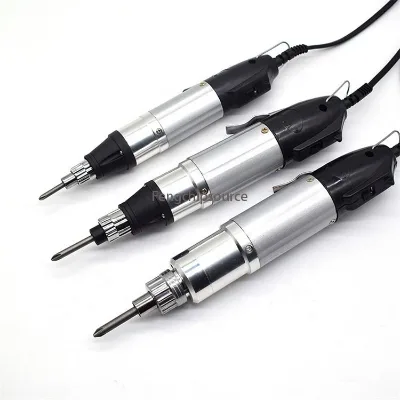
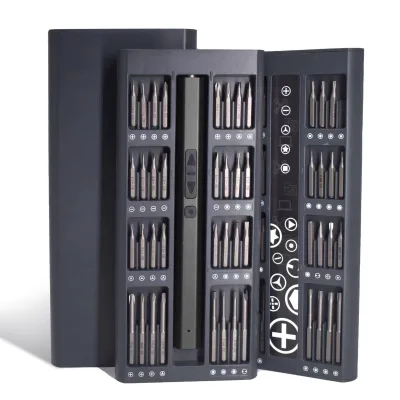
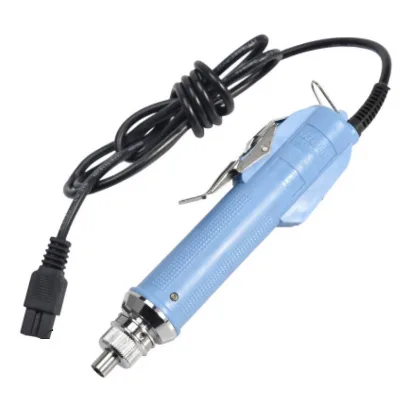
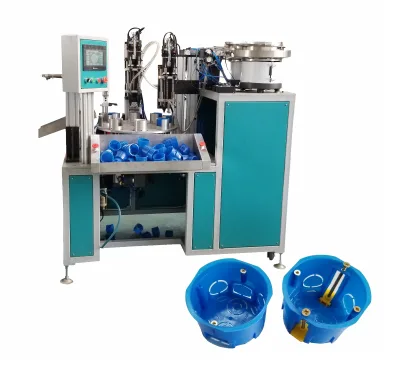
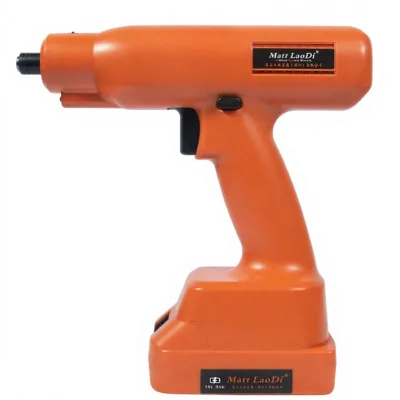
Procuring electric screwdrivers for PCB assembly lines requires distinguishing between handheld torque tools and integrated automated feeding systems. The market offers diverse configurations, ranging from simple straight-bar drivers to complex units featuring coreless motors and PLC-controlled gearboxes. Buyers must first identify whether their production needs demand a standalone tool for manual assembly or a fully integrated unit capable of pick-and-place feeding with a rhythm of 1.5 seconds per screw.
Understanding the specific power requirements is critical for matching equipment to the assembly environment. While some units operate on standard AC power, others in the automated sector may utilize 48V rated voltage systems with 750W input power. Selecting the correct power source ensures compatibility with existing factory infrastructure and prevents operational downtime caused by voltage mismatches or insufficient power delivery for high-speed continuous production cycles.
Product Scope and Observed Listing Signals
The observed product listings reveal a wide price spectrum, ranging from $1.50 to over $14,000, reflecting the vast difference between basic manual drivers and comprehensive automated production lines. This variance often correlates with the level of automation, where semiautomatic straight-bar models differ significantly from intelligent manufacturing systems that offer flexible production capabilities and multiple variety support. Buyers should scrutinize the listing details to determine if the product is an ordinary product or a specialized solution for specific industry applications like medical or retail sectors.
Listing signals also indicate varying production continuity and feeding mechanisms, which directly impact throughput efficiency. Some units are designed for continuous production with rigid transmission types, while others support non-flow production lines or gravity-type feeders with speeds of 0.5 seconds per piece. It is essential to verify if the product supports customization and if the packing method, such as plywood or wooden boxes, aligns with the logistical requirements for transporting delicate electronic assembly equipment safely.
Technical Specifications to Verify
Technical verification must begin with the motor type and transmission system, as these define the tool's longevity and precision. Coreless motors are frequently cited for their efficiency, yet buyers must confirm if the transmission type is rigid or flexible based on the specific assembly task. Precision ratings, such as the observed 5% tolerance, are vital for PCB work where over-torquing can damage components, so confirming the rated voltage and input power ensures the unit can sustain the required torque without overheating during extended operation.
Dimensional and weight specifications are equally critical for integration into existing workstations or automated cells. Observed models vary from compact units weighing 0.6kg to larger systems with net weights of 6kg and specific dimensions like 1030650780mm. Buyers should cross-reference these physical attributes against their available floor space and ergonomic requirements, ensuring that the product model, such as the TBS-SX series, fits the intended application scope without requiring extensive facility modifications.
Compliance and Safety Documentation
Safety and compliance documentation are non-negotiable for industrial equipment entering a manufacturing facility. The presence of CE and ISO certifications indicates adherence to international safety and quality standards, which is particularly important for equipment operating in medical or industry sectors. Buyers must request valid certificates to verify that the product meets the necessary regulatory requirements for electrical safety and operational reliability before finalizing any procurement agreement.
Beyond certifications, inspection protocols provide an additional layer of assurance regarding product quality and consistency. Some suppliers offer video outgoing-inspection services, allowing buyers to visually verify the condition and assembly of the unit before shipment. This transparency helps mitigate risks associated with receiving defective or non-compliant equipment, ensuring that the final product matches the advertised specifications and is ready for immediate deployment in a continuous production environment.
Cost Drivers and Commercial Terms
Cost drivers in this category are heavily influenced by the level of automation and the complexity of the core components included. Units featuring PLCs, gearboxes, and motors command higher prices compared to basic manual drivers, reflecting the added value of intelligent manufacturing capabilities. Buyers should analyze the total cost of ownership, considering that higher initial investment in automated lines with flexible production features may yield significant long-term savings through increased throughput and reduced labor costs.
Commercial terms such as Minimum Order Quantity (MOQ) and warranty provisions also play a pivotal role in the purchasing decision. The observed MOQ range spans from 1 to 100 units, offering flexibility for small-scale testing or large-scale deployment. Additionally, a standard one-year warranty is common, but buyers must clarify the specific terms of coverage and whether the warranty applies to core components like the motor and gearbox to ensure adequate protection against premature failure.
Supplier Qualification and Quality Control
Supplier qualification extends beyond basic product listings to include their ability to support customization and maintain production continuity. Suppliers offering customized solutions and multiple variety production scores demonstrate the flexibility required to adapt to unique PCB assembly needs. Buyers should assess the supplier's capacity to handle specific production scopes, such as parts production lines or comprehensive assembly lines, to ensure they can scale operations as the buyer's demand grows.
Quality control processes are essential for maintaining the integrity of the electric screwdriver supply chain. The availability of video outgoing-inspection and specific packing standards, such as wooden boxes or plywood crates, indicates a commitment to protecting the product during transit. Buyers should verify that the supplier maintains a rigorous quality control regime that includes testing for transmission types and rhythm consistency, ensuring that every unit delivered meets the high standards required for precision electronics manufacturing.
Long-Term Procurement Checks
Long-term procurement success depends on establishing a reliable supply chain that can support ongoing maintenance and part replacement. Buyers should verify the availability of spare parts for core components like motors and gearboxes to minimize downtime during the product's lifecycle. Ensuring that the supplier can provide consistent support for the specific model, such as the TBS-GW-4 or TBS-SX series, is crucial for maintaining operational efficiency over the long term.
Finally, buyers must monitor the supplier's ability to adapt to evolving production requirements and technological advancements. The market for intelligent manufacturing is dynamic, and suppliers who offer flexible production and continuous improvement are better positioned to support future upgrades. Regularly reviewing the supplier's performance against key metrics like production rhythm and feeding speed ensures that the procurement strategy remains aligned with the evolving needs of the PCB assembly line.
FAQs
What is the rated voltage and power for the TBS-SX-6331C1 model?
The TBS-SX-6331C1 model operates at a rated voltage of 48V with an input power of 750W. It utilizes a coreless motor and AC power supply to ensure efficient operation. This configuration supports continuous production continuity for automated assembly lines requiring stable electrical performance.
Which certifications are provided for the automatic production line equipment?
The equipment is certified with CE and ISO standards to ensure compliance with international safety and quality regulations. These certifications verify that the manufacturing processes and final products meet rigorous industry requirements for automated assembly and screwdriving applications in various industrial settings.
Can the production rhythm be customized for specific assembly needs?
Yes, customization is available to adapt the production rhythm to specific operational requirements. While standard models may feature a rhythm of 1.5 seconds per screw, flexible production capabilities allow for intelligent manufacturing adjustments. This ensures the equipment aligns with diverse production scopes and throughput demands.
What is the warranty period for the electric screwdriver components?
The warranty period is one year for the core components and overall equipment. This coverage includes the PLC, gearbox, and motor, ensuring reliability during the initial operational phase. Buyers receive video outgoing-inspection services to verify condition before shipment, supporting long-term performance assurance.
How is the equipment packed for international shipping from China?
The equipment is packed in plywood boxes or standard cartons to ensure safe transit. Dimensions vary by model, such as 1030*650*780mm for larger units. Originating from Zhejiang, China, the packaging is designed to protect the machinery during global logistics while maintaining structural integrity upon arrival.
What is the net weight of the TBS-GW-4 multifunctional screwdriver?
The TBS-GW-4 multifunctional screwdriver has a net weight of 6kg. It features a straight bar style and gravity-type feeder for efficient screw feeding. This compact design supports semiautomatic operations, making it suitable for various industrial applications requiring precise and reliable screwdriving performance.